

Rhinotracheitis
Feline Rhinotracheitis Vaccines in Westwood and Pompton Lakes, NJ
Cats can bring so much joy to your life. However, you should do everything possible to help keep them safe, including taking precautions to ward off diseases like rhinotracheitis. At Westwood Regional Veterinary Hospital and Pompton Lakes Animal Hospital, our caring veterinary team provides effective feline rhinotracheitis vaccines. Our locations in Westwood and Pompton Lakes, New Jersey, allow us to serve the Tri-State area, offering preventative care services to let pet owners enjoy many more years with their feline friends.
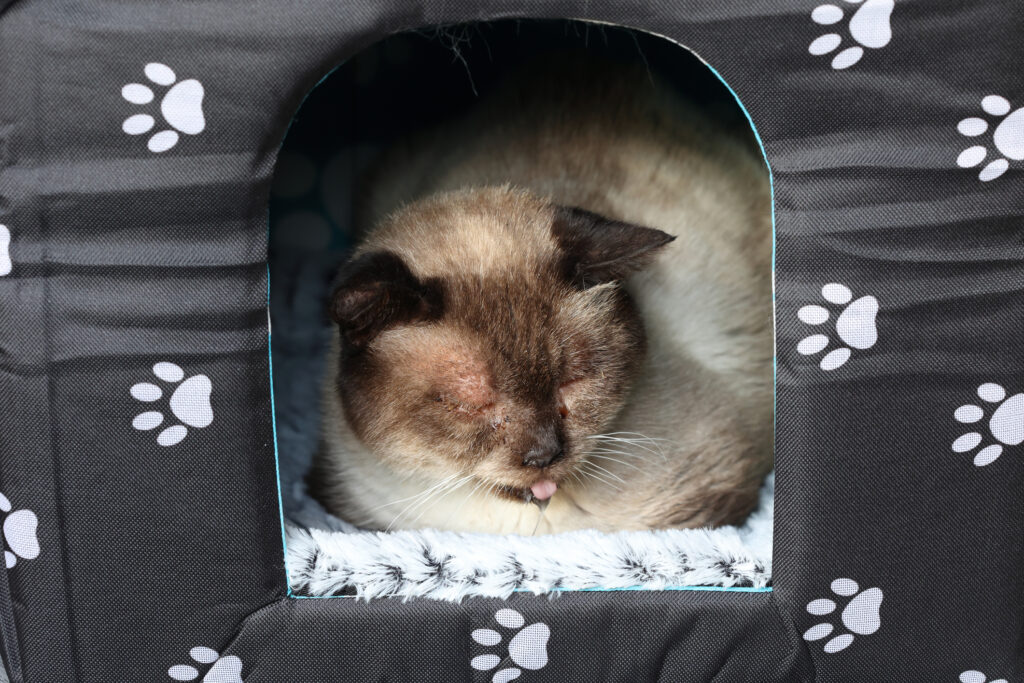
What Is Feline Rhinotracheitis?
Feline viral rhinotracheitis (FVR), also known as feline herpesvirus, is a disease caused by the feline herpesvirus type-1. This is a very common disease that most pet cats will be exposed to at one point in their lives. The disease, like many other feline conditions, is mainly transmitted through direct contact with saliva or bodily fluids that have been discharged from the eyes and nose of an infected feline.
It can also be transmitted through direct contact with a surface, such as a food or water dish or a toy, that has been recently in contact with an infected animal. Because a newly infected cat can begin spreading the virus to others within less than 24 hours, it is especially rampant in areas that house many cats or in cats that spend much of their time outside.
The virus typically affects the upper respiratory tract and areas of the eye, but there are several other symptoms your pet may experience, including:
- Coughing
- Sneezing
- Discharge from the nose or eyes
- Reduced appetite
- Fever
- Conjunctivitis (pink eye)
- Eye color changes
- Scratches on the cornea (clear part of the eye)
- Redness, swelling, and crusting of the skin around the face
- Loss of fur
These symptoms may appear two to five days after exposure and may last anywhere from five days to six weeks. FVR is a lifelong virus, which means that, while symptoms eventually fade away, the infection stays within the body for life. Should the infected animal suffer bouts of stress in the future, symptoms may return.
How Can I Protect My Pet from Feline Viral Rhinotracheitis?
Like with many other pet ailments, the best prevention method for FVR is vaccination. The feline rhinotracheitis vaccine is a required vaccination for cats, which they are given early in life. It is a combination vaccine known as FVRCP, which provides protection against feline viral rhinotracheitis, calicivirus, and panleukopenia.
When kittens are six to nine weeks old, they will receive the first of several vaccinations. Following this initial shot, they should receive booster vaccines every three to four weeks until they are 16 weeks old. Two to three weeks after having their last vaccine administered, cats are considered protected against the virus. As the vaccine also prevents feline calicivirus and feline distemper (panleukopenia), it is a core vaccine for young cats.
Another way you can help stop the spread of FVR is through isolation. If you suspect one of your cats may have an upper respiratory issue or notice any abnormal eye discharge, you should keep them away from other felines and give them their own food and water bowls, toys, and litter box, if possible. Disinfectants should also be used to clean surfaces, which can help stop the spread. The virus can only survive 18 hours outside of the host, and a thorough cleaning usually helps kill off any remaining pathogens.
Lastly, because symptoms may be exacerbated by stress, causing them to flare up, it’s important to try to create a comfortable living environment for your pets, especially if they’ve been exposed to FRV in the past.
How Is FVR Diagnosed and Treated?
If a cat presents with symptoms of FVR, the veterinarian will start by giving it a physical exam to look for signs of the disease. They will likely also ask the owner questions about the cat’s recent behavior and look over their medical and vaccination history. A specialized test, known as a polymerase chain reaction (PCR) test, can be performed using a sample of saliva or fluid from the eye. Because a positive test result doesn’t guarantee an infection, medical professionals will likely use it to back up findings from the symptoms shown and physical examination.
There are no current effective treatment solutions for FVR itself, so veterinary teams will usually aim to treat the symptoms instead. Cuts or scratches on the cornea will be treated with topical eye medications, while pink eye may be treated with anti-inflammatory medications. Severe cases may require hospitalization. However, typically only supportive solutions are necessary, such as reducing stress in their environment, providing appetite stimulants, and wiping away discharge from the eyes and nose.
Protect Your Pet with Vaccinations
Help safeguard your kitty against common diseases by getting them vaccinated. Located in Westwood and Pompton Lakes, NJ, and serving the Tri-State area, Westwood Regional Veterinary Hospital and Pompton Lakes Animal Hospital is committed to providing passionate care for your pets. Our team can provide effective services, like feline rhinotracheitis vaccines, diagnostic care, and emergency care to help pets and their owners feel confident in their recovery. Contact us today to make an appointment.
Service Available At:
Westwood
- 346 Kinderkamack Rd.
Westwood, NJ 07675 - 201-885-5040
- Monday to Sunday: 9 AM to 10 PM
Pompton
- 9 Cannonball Rd. Pompton Lakes, NJ 07442
- 973-835-4774
-
Mon, Tues, Thurs, Fri: 11 AM – 8 PM
Wed, Sat: 10 AM – 3 PMSunday: Closed