

Panleukopenia
Feline Panleukopenia Vaccines in Westwood and Pompton Lakes, NJ
Keeping your pets safe and healthy should be a top priority. To do so, you need to get your cat vaccinated. At Westwood Regional Veterinary Hospital and Pompton Lakes Animal Hospital, our passionate veterinarians are here to provide preventative care services, like feline panleukopenia vaccines. Located in Westwood and Pompton Lakes, New Jersey, and serving the Tri-State area, our vaccinations can help keep your feline safe. Learn more about feline panleukopenia and its accompanying vaccine.
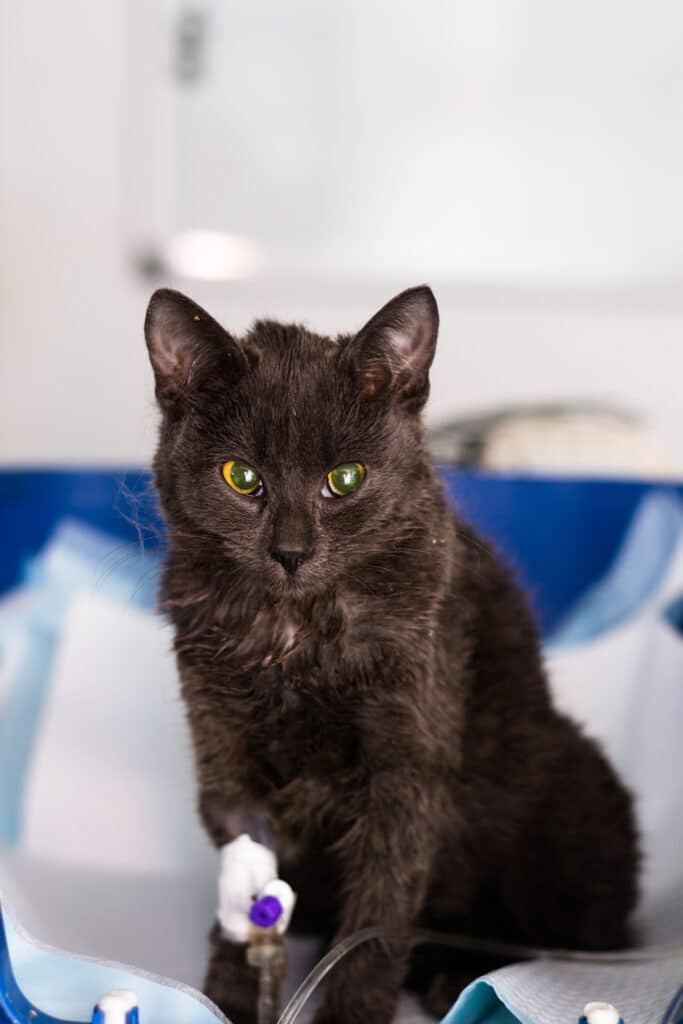
What Is Feline Panleukopenia?
While many people have heard of distemper in dogs, fewer pet owners may be aware of feline distemper, or feline panleukopenia. This virus, while also highly contagious, is not the same as canine distemper. Instead, it is more closely related to canine parvovirus. The virus is especially threatening to kittens or unvaccinated cats because their immune systems are not as prepared to fight it.
Feline distemper typically enters the body through the nose or mouth. While young kittens may be infected in utero or through their mother’s milk, cats can also become infected by inhaling or ingesting particles that have entered the air through saliva, urine, feces, and vomit. The virus generally attacks cells that grow and divide rapidly, including those in the bone marrow, lymph nodes, and intestines. It typically reaches these cells between a few days and a week after infection.
The virus can create a range of different symptoms in your cat, including:
- Lethargy or sluggish behavior
- Vomiting
- Diarrhea
- Weight loss
- Reduced appetite
- Signs of dehydration
- Depression
- Pain in the abdomen when touched
- Fever
- Roughness of the coat
Severe cases may also be accompanied by bruising on the gums or skin and even lead to frequent falling, collapse, or death.
What Can Be Done to Prevent Feline Panleukopenia?
Because feline distemper can be potentially fatal, it’s imperative that pet owners take the necessary steps to keep their furry friends protected. First and foremost, you need to ensure your pet is vaccinated. The feline distemper vaccine is a core vaccine that all cats should receive at a young age. It is a combination vaccine known as FVRCP that also provides protection against feline viral rhinotracheitis and calicivirus.
Kittens should have the vaccine administered in at least two doses, given two to four weeks apart. The last of these should be received when the cat is between 14 and 16 weeks old. Cats should be given an additional booster shot every one to three years afterward.
The virus is also extremely contagious, which requires you to isolate infected animals to keep other cats safe. This means you should not only keep them in their own separate spaces, but you should give them their own food and water bowls, toys, bed, and litter box. Additionally, pet owners should take the time to thoroughly clean their living spaces and wash their hands frequently to prevent the spread of pathogens. Because it is so persistent, the virus can withstand freezing temperatures, room temperatures, and even certain disinfectants, so speak with your veterinarian to learn the best ways to eliminate it.
How Is Feline Panleukopenia Diagnosed and Treated?
Feline panleukopenia can come with symptoms that mirror many other diseases, which makes it more difficult to diagnose. However, veterinary professionals will typically talk with you about your cat’s behavior and medical history before turning to blood, fecal, or polymerase chain reaction (PCR) tests to help confirm their suspicions.
When it comes to treatments, unfortunately, there are no current solutions for feline distemper. Instead, veterinarians will look to treat its symptoms. They may turn to IV therapy if your cat appears dehydrated or prescribe antibiotics to help control any bacterial infections that accompany the virus. If your cat’s case is particularly severe, they may opt for aggressive therapy. Felines who get this form of therapy often respond well, which can lead to a full recovery. If your cat is suffering from a low body temperature, low protein levels, or a low white blood cell count, they may only survive for a short time. Recovering from the virus, however, usually leaves no permanent damage to the cat’s organs and even provides immunity against the virus for the rest of their lives.
Call On Our Team Today
Make sure your cat or kitten is safe from feline panleukopenia by getting them vaccinated at Westwood Regional Veterinary Hospital and Pompton Lakes Animal Hospital. Our compassionate team prides itself on giving pets and their owners peace of mind during every visit. We have locations in Westwood and Pompton Lakes, NJ, and serve the Tri-State area. Aside from our preventative solutions, we offer diagnostic, surgical, and emergency care, along with other services that you can rely on. If you’re interested in learning more about our team or would like to schedule an appointment, contact us today.
Service Available At:
Westwood
- 346 Kinderkamack Rd.
Westwood, NJ 07675 - 201-885-5040
- Monday to Sunday: 9 AM to 10 PM
Pompton
- 9 Cannonball Rd. Pompton Lakes, NJ 07442
- 973-835-4774
-
Mon, Tues, Thurs, Fri: 11 AM – 8 PM
Wed, Sat: 10 AM – 3 PMSunday: Closed