

Hepatitis Vaccines
Dog Hepatitis Vaccines Near You in the Tri-State Area
Infectious canine hepatitis is a disease of the liver that can cause serious health complications if left untreated. Canine vaccinations can prevent it altogether, protecting your pet’s health in the long term. Westwood Regional Veterinary Hospital and Pompton Lakes Animal Hospital offers hepatitis vaccines across the Tri-State area, providing peace of mind for dog owners.
What Is Infectious Canine Hepatitis?
Infectious canine hepatitis (ICH) is a liver disease caused by the canine adenovirus CAV-1. The illness begins as an upper respiratory infection before spreading down the dog’s throat and into the blood stream. When white blood cells attack viral particles to destroy them, the particles use the cells as a vehicle to replicate and spread. In the process, they damage liver cells, causing inflammation.
Healthy dogs with strong immune systems can get better in around two weeks. If your dog has a weaker immune response, however, then the infection may evolve into chronic hepatitis. This is a severe health condition that lasts for the rest of your dog’s life.
What Are Canine Hepatitis Symptoms?
The severity of infectious canine hepatitis can vary widely depending on the dog’s immune response. Some dogs show no symptoms at all, while others become severely sick. Veterinarians categorize ICH cases based on their intensity. Low-level or uncomplicated infection causes tonsillitis and liver enlargement, with symptoms including:
- Fever
- Loss of appetite
- Vomiting
- Diarrhea
- Lethargy
- Frequent licking of lips
- Swollen lymph nodes
- Abdominal pain
Severe or acute hepatitis will cause the same symptoms, in addition to blood vessel inflammation and fluid effusion. You may notice:
- High fevers
- Severe abdominal pain
- A swollen, fluid-filled abdomen
- Red, inflamed spots on the skin
- Bruising of the skin
Very severe or per acute hepatitis causes blood vessel collapse, nerve problems, and inflammation in the brain. You may notice behavioral changes, such as disorientation, circling, dizziness or loss of balance, uncharacteristic weakness, and seizures. Per acute hepatitis can cause death within hours if pets do not receive emergency care.
What Causes Canine Hepatitis?
The CAV-1 virus is present in the urine, nasal discharge, and eye discharge of infected animals. It spreads through direct contact with contaminated fluids, usually through contact with the infected animal itself. Many cases are caused by contact with other dogs, such as at a kennel, day care, or dog park, or by contact with feces while on a walk.
All breeds are equally susceptible to the CAV-1 virus, but age can affect your dog’s response. It is most common and severe in dogs that are under one year old. Older dogs are more likely to recover without developing any serious symptoms.
How Do Vaccines Help?
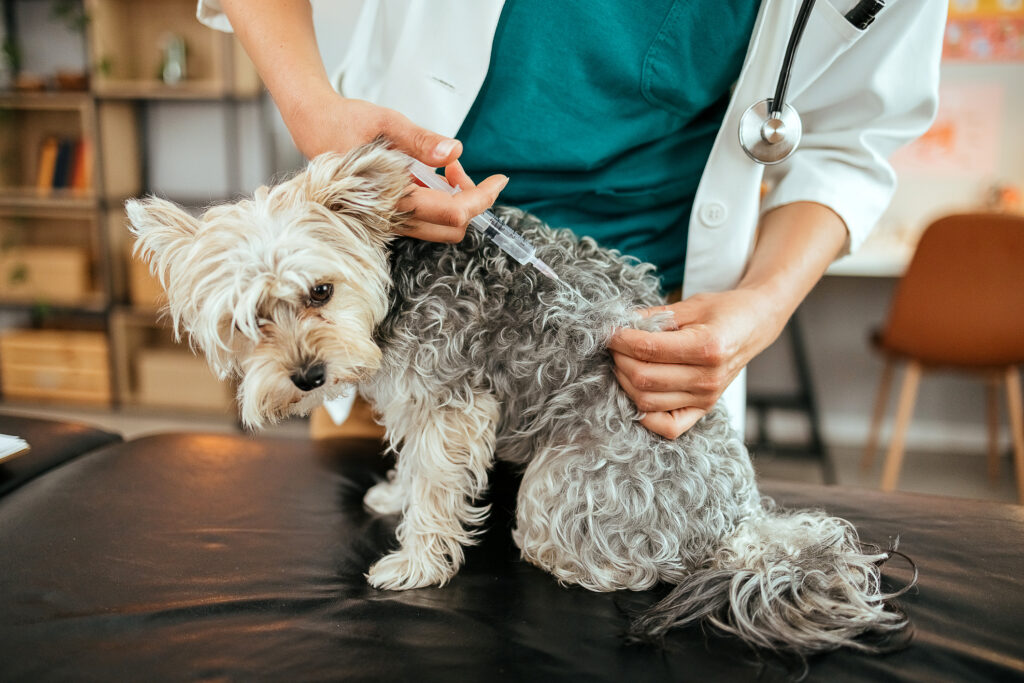
Canine hepatitis can cause serious health complications, even if your dog recovers. For this reason, the best defense is to prevent it altogether. Vaccinations deliver a small amount of live virus particles into your dog’s body. In this quantity, the virus isn’t enough to make your dog sick. It will, however, train your dog’s immune system to recognize and destroy the CAV-1 virus more effectively. The result is a stronger immune response if your dog is exposed to the virus again.
Dogs that are vaccinated against canine hepatitis are less likely to catch the disease. If they do become infected, then they are more likely to experience a mild form of disease that they can recover from by themselves. The vaccine greatly reduces the risk of long-term issues. Your dog will stay healthy, and you can find greater peace of mind about your pet’s well-being.
Recommended Hepatitis Vaccine Schedule
Because canine hepatitis can be so destructive, its vaccine is considered core everywhere. This means that it is part of the required vaccine regimen for all dogs. It is typically delivered as part of the DA2PP vaccine, which combines distemper, adenovirus I (hepatitis) and II (kennel cough), parvovirus, and parainfluenza into a single shot.
Veterinarians typically recommend starting puppy vaccines, including the hepatitis vaccine, at six to eight weeks old. Your puppy should be revaccinated every two to four weeks until it is at least 16 weeks old. High-risk puppies, such as those that frequently visit kennels or day cares where they could be exposed to canine hepatitis, might continue vaccinations until they are 18-20 weeks old. Adult dogs should receive a booster every three years to maintain their immunity.
Vaccinate Your Dog Near You in the Tri-State Area
Canine hepatitis vaccines help keep your pet safe and healthy. Protect your beloved companion by updating their shots at Westwood Regional Veterinary Hospital and Pompton Lakes Animal Hospital. We provide a full range of veterinary services, including preventive care, for pet lovers in Westwood and Pompton Lakes, NJ, and throughout the Tri-State area. Contact us today to learn more or schedule an appointment.
Service Available At:
Westwood
- 346 Kinderkamack Rd.
Westwood, NJ 07675 - 201-885-5040
- Monday to Sunday: 9 AM to 10 PM
Pompton
- 9 Cannonball Rd. Pompton Lakes, NJ 07442
- 973-835-4774
-
Mon, Tues, Thurs, Fri: 11 AM – 8 PM
Wed, Sat: 10 AM – 3 PMSunday: Closed