

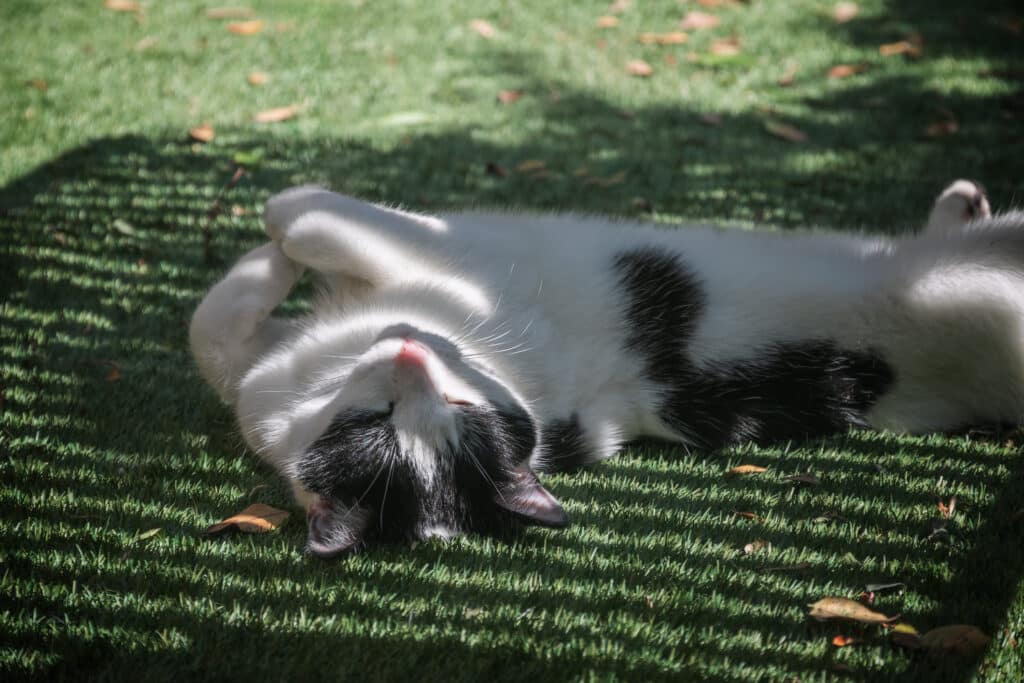
Many pets love to play outside. While this allows them to enjoy fresh air and sunshine, it also puts them at risk of pet heatstroke, a potentially life-threatening condition that pet owners must take seriously. At Westwood Regional Veterinary Hospital and Pompton Lakes Animal Hospital, we understand the risks and want pet parents to be informed. Here, we explore the condition and the steps you can take to protect your furry friends.
What Is Pet Heatstroke?
Like humans, cats and dogs can suffer from heatstroke. This condition occurs when they are overheated due to warm weather. When humans get hot, they can remove layers of clothing or step inside, but this isn’t the case with our pets. Humans are also able to sweat to help their bodies regulate heat, something that some animals aren’t capable of.
Heatstroke is a scary condition for our pets because it causes their body temperature to increase. Before heatstroke occurs, your pet will likely suffer from heat exhaustion. Heat exhaustion is accompanied by an elevated body temperature and can lead to dogs showing signs of fatigue, weakness, and dehydration. Cats, on the other hand, may pant, drink excessively, or start to drool, and you may notice their paws are sweaty.
If their body temperatures aren’t regulated in time, they will continue to rise, reaching temperatures greater than 104°F, which is when heatstroke occurs.
What Are Some Signs of Heatstroke in Dogs?
Heatstroke in dogs creates a situation where the animal is unable to cool its body down. This results in inflammation, which can reduce blood flow throughout the body. This means that vital organs like the heart, lungs, central nervous system, and gastrointestinal tract may shut down. This can lead to death in less than one hour, which is why it is vital for pet parents to keep an eye out for any dog heatstroke symptoms, which include:
- Dehydration
- Excessive panting
- Elevated heart rate (tachycardia)
- Reddish color on their gums/mucous membranes
- Loss of coordination
- Sluggishness or collapse
- Vomiting and/or diarrhea that may or may not contain blood
- Seizures
It is incredibly important that pet owners monitor their dogs on hot days, and if you notice any of these symptoms, it’s best to bring your dog into the veterinary office immediately.
What Are Some Signs of Heatstroke in Cats?
As is the case in heatstroke in dogs, heatstroke causes elevated temperatures in cats, resulting in inflammation and the potential for damage to their organ systems. Unlike dogs, however, cats are often less overt with their behavior, which can make recognizing cat heatstroke symptoms more difficult. Some things cat owners should look out for include:
- Panting
- Wheezing or other difficulty when breathing
- Disorientation
- Red gums
- Blood pooling (bruising) on the skin, inside the ears, in the whites of the eyes, gums, or belly
- Vomiting and/or diarrhea that may or may not contain blood
- Struggling to walk or stand
- Collapsing
- Seizures
How Can You Prevent Heatstroke in Pets?
The easiest way for pet owners to protect dogs and cats from getting heatstroke is by keeping them out of direct sunlight for long periods of time. If you’re allowing them out to play on a hot day, make sure there is plenty of shade nearby. You should also provide ample water to help them stay hydrated. If you can, take them out for walks or playtime earlier or later in the day when temperatures aren’t at their peak. It’s also best to keep cats inside on hot days, as they can be harder to get back inside when the time comes.
If you are leaving the house during warm weather, make sure your home’s air conditioning is running properly. A hot house provides few places for our pets to hide, and their owners won’t be there to help them if they need assistance. Lastly, when traveling with pets, make sure they aren’t left alone in the car, even if the outside temperature doesn’t seem too hot. Car interiors can get hotter than you might think, so it’s best to leave them at home if they can’t come with you.
Cats and dogs that are obese, older, have flattened faces, or suffer from pre-existing conditions are also at a higher risk of developing heatstroke, so it’s smart to keep these animals inside when the weather is hot. If you suspect that your pet may be experiencing heat stroke, get them to a cool location and use a wet cloth or towel to help cool them down before bringing them to the veterinary office. Don’t use ice or ice-cold water to cool your pet, as it can cause shock.
How Is Heatstroke Diagnosed and Treated?
Fortunately, diagnosing heatstroke is usually easy for veterinarians. They’ll ask about the pet’s symptoms and what activities they may have recently participated in. This, when combined with a physical examination, a check of their body temperature, and a look at the pet’s medical history, can usually help them make the determination. Blood or urine samples may also be taken and tested to check for any internal infections.
Treatment begins by attempting to lower the animal’s body temperature back to normal levels. Your veterinarian will likely hook the animal up to an IV to help treat dehydration. There are also several medications available to help treat symptoms of heatstroke, including those that help prevent vomiting and diarrhea, those that help reduce swelling of the brain, and antibiotics to ward off infection. Your veterinarian may also administer oxygen therapy and other treatment options as needed.
One of the most important aspects of heatstroke treatment is monitoring the animal. Doctors will frequently watch their heart rate, blood pressure, and temperature to note positive or negative changes. In most cases, heatstroke can be treated effectively. In severe cases, however, the prognosis is poor, which is why it’s so critical that you bring your pet in right away.
Trust Our Team for Pet Heatstroke Care
If you suspect your furry friend is experiencing pet heatstroke, don’t delay. Bring them in to see the trusted team at Westwood Regional Veterinary Hospital and Pompton Lakes Animal Hospital today. Located in Westwood and Pompton Lakes, New Jersey, and serving the Tri-State area, we’ll be by your side through it all, offering a range of helpful services, including emergency care. To schedule an appointment, contact us today.