

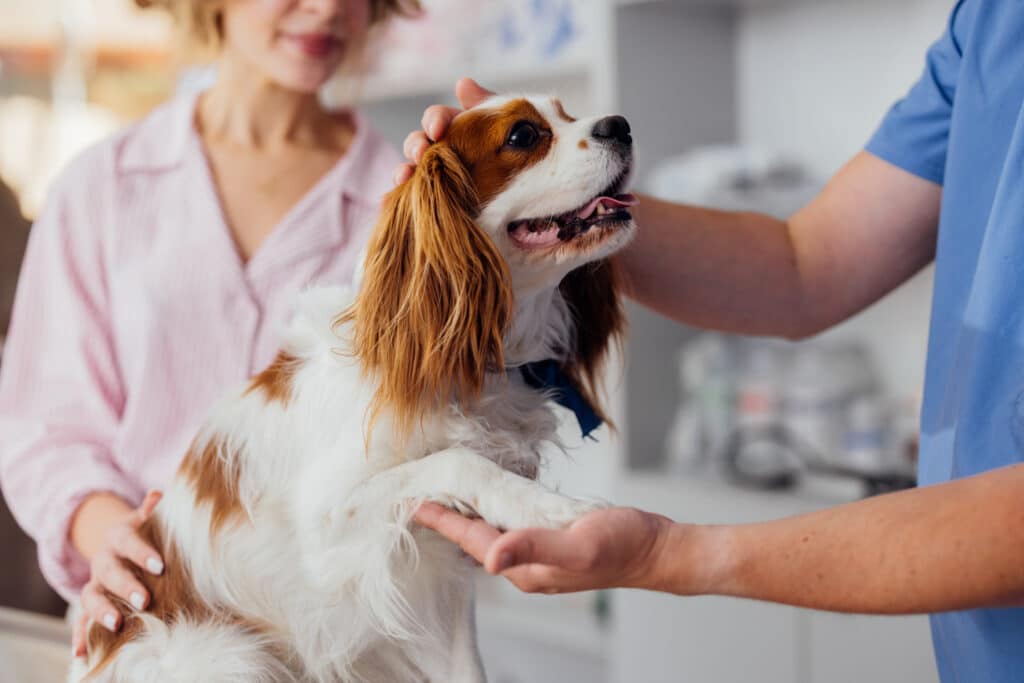
Responsible pet ownership means prioritizing your dog’s health. Routine vet visits are an opportunity to renew vaccines, prevent parasites, and detect problems early, making them a crucial part of your dog’s wellness plan. With Westwood Regional Veterinary Hospital and Pompton Lakes Animal Hospital, learn more about dog wellness exams and what they entail.
Why Are Wellness Visits Important?
Wellness visits are part of what veterinarians call preventative care. Instead of addressing health concerns as they emerge, preventive care focuses on avoiding illness altogether. There are many benefits, including:
- Detection: Many pet illnesses get worse with time. Wellness exams help your vet detect disease early, allowing for more treatment options, less stress, and better outcomes.
- Prevention: Wellness exams are an opportunity to renew your pet’s protection against parasites and preventable illness, helping them avoid illness.
- Cost effectiveness: Preventive measures are less expensive than treatments, helping you spend less money on medicine and more on treats and toys.
- Peace of mind: It can be easy to miss the signs that your dog is unwell. Wellness exams give you peace of mind by confirming that your pet is as healthy as they can be.
All of these reasons make routine checkups an important part of your dog’s wellness plan. By staying up to date, you benefit both yourself and your dog for a longer, healthier, and happier relationship.
How Often Should My Dog Go to the Vet?
The recommended frequency for vet visits depends on your dog’s age. Puppies develop incredibly quickly, and new problems can appear just as fast. Veterinarians generally recommend scheduling a wellness checkup every three to four weeks until the puppy is 16 to 20 weeks old. This gives vets the best chance of catching issues as they emerge and preventing long-term complications.
As your dog matures into adulthood, its health stabilizes. Most adult dogs need only annual exams, though they may need to see the vet more often if they require specialty care. Your dog’s adult schedule lasts through most of its lifespan until it reaches its senior years. At this point, you should bring your dog to the vet more frequently. Dogs age more quickly than humans. A vet visit every six months will help you track late-life changes in your pet’s health.
Physical Examination
Dog wellness visits begin with a comprehensive physical examination. First, the veterinarian measures your dog’s weight and assigns a body condition score. This score is a standardized way to monitor physical fitness and detect changes, such as weight gain or weight loss. The veterinarian then examines your dog from head to toe, with special attention given to the following areas:
- Teeth
- Heart and lungs
- Eyes
- Ears
- Lymph nodes
- Abdomen
- Rectum
- Reflexes
- Mobility
The veterinarian will also ask questions about your pet’s diet, lifestyle, and behavior. This information, in combination with the vet’s observations during the physical exam, will help identify the cause of certain changes. Bring a notebook if you think it will help you answer accurately. This is also a good time to bring up any questions or concerns you have about your pet.
Screening Tests
The physical examination is typically followed by a set of screening tests. These share a goal with the examination: they help the veterinarian evaluate your dog’s condition and detect emerging issues. Screening tests are more narrow and more precise, however, allowing the vet a closer look at areas of special concern. Depending on your pet, they may include:
- Fecal exam: By examining a fecal sample under a microscope, the veterinarian can detect signs of worms or gastrointestinal issues. A fecal exam should be performed annually.
- Urinalysis: Your veterinarian may also examine a urine sample to evaluate your pet’s kidney function and look for signs of diabetes, liver disease, or dehydration.
- Heartworm test: Dogs over seven months old should receive annual heartworm tests, even if they are on heartworm prevention, to detect infections early.
- Bloodwork: A complete blood count (CBC) and blood chemistry panel can detect nutrient deficiencies, clotting disorders, and several illnesses that are common in senior pets.
Not every dog will receive the full suite of screening tests on every visit. Instead, specific tests are requested based on your concerns, the veterinarian’s observations during the physical exam, and your dog’s health history.
Disease and Parasite Prevention
Dog wellness visits conclude with preventive care. The veterinarian will assess your dog’s vaccination status and administer boosters if necessary to keep them immunized against life-threatening diseases, such as rabies, distemper, and parvovirus. You may also discuss whether non-core vaccines like Bordetella, Lyme, or canine influenza are recommended based on your pet’s lifestyle.
In addition to vaccinations, you will also discuss parasite prevention. Certain prevention measures are administered by your veterinarian during the wellness visit. Others must be treated monthly or bimonthly. Your vet will provide instructions and advice to maximize your success.
Discussing Future Care
Finally, you and your veterinarian may discuss your dog’s care. Pets have changing needs throughout their lifespan. This is normal. If your veterinarian suggests doing something differently, it does not mean that you were doing a poor job beforehand. Instead, your dog may simply need new types of care to reflect its age or lifestyle. Topics to consider may include:
- Dental care
- Brushing and bathing
- Nail trims
- Haircuts
- Feeding
- Daily exercise
- Environmental enrichment
Do not hesitate to ask questions or express concerns. Our veterinarians understand that you want what is best for your dog and will help you to the best of their ability. We also provide online food and medicine orders to keep you well supplied.
Design Your Personalized Dog Wellness Plan
Annual vet visits are an important part of your dog’s wellness plan. Schedule your next checkup at Westwood Regional Veterinary Hospital and Pompton Lakes Animal Hospital. We provide a full range of veterinary services for pet lovers throughout the Tri-State area, helping you keep your dog happy and healthy. Contact us today to learn more about wellness exams or to schedule an appointment.