

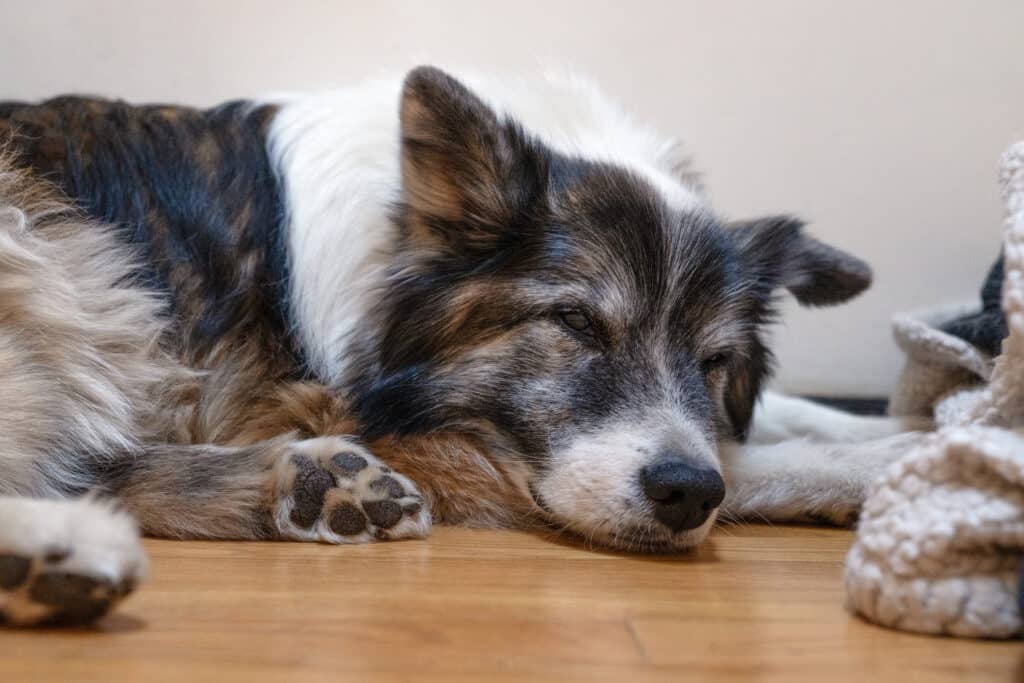
If you want your pet to live a long, healthy life, it’s best not to give them pet food with high fat content. Those looking to better understand the impacts of pet foods with fat sources should look to the caring professionals at Westwood Regional Veterinary Hospital and Pompton Lakes Animal Hospital. Here, our expert veterinary team will discuss how poor animal nutrition can lead to conditions like pancreatitis.
What Is Pancreatitis?
Pancreatitis is a condition that can affect both humans and pets. It results in inflammation and damage to the pancreas, which is a vital organ within the endocrine system. The role of the pancreas involves aiding in digestion and controlling blood sugar levels through the release of hormones.
The organ produces enzymes that are used by the body to break down sugars and fats, but these enzymes are only active once they reach the small intestine. In animals with pancreatitis, the enzymes activate upon release, which can lead to internal issues that affect the pancreas as well as the surrounding organs and tissues.
How Does Pancreatitis Affect Your Pets?
Animals can experience the condition in two ways. Acute pancreatitis occurs when the animal has no prior signs of the condition, while chronic pancreatitis gradually develops over time, and can be the result of several acute attacks. The condition can be accompanied by mild or severe pain and may lead to the following symptoms:
- Lethargy or weakness
- Hunched back
- Loss of appetite
- Dehydration
- Pain in the abdomen
- Digestive discomfort or bloating
- Fever
- Continued vomiting (several times over a few hours or periodically over several days)
- Diarrhea
These symptoms can be representative of several conditions on their own, but if you notice your pet dealing with many of them, it’s important to reach out to your veterinarian right away. Detecting pancreatitis early can have a great impact on their prognosis.
Can Pancreatitis Be Triggered by Pet Food Fat Sources?
The short answer is yes. In fact, this is one of the main causes of the condition. Pet owners love giving their furry friends special snacks, but if you don’t think twice about the foods you’re feeding them, it could lead to serious consequences. Pet parents may feel a sense of closeness when sharing meals with their pets, but this food is typically not healthy for them.
The food humans consume tends to be fattier than what is recommended for domestic animals like cats and dogs, which means their bodies can’t break it down the same way. This is part of the reason that, according to American Kennel Club, the day after Thanksgiving sees a large increase in the number of pancreatitis-related emergency veterinary visits.
What Can You Do to Help?
Because diet is so important when it comes to a pet’s health, pet food fat sources may actually stem from pet owners sharing leftovers with their animals. While it may feel like a waste to throw out table scraps, feeding them to pets could result in severe health problems. It’s also smart to keep fatty foods such as bacon, potato chips, cheeses, and ice cream out of their reach. Also avoid giving them foods that contain butter, cream, and oils. This includes foods left on the table and counter, as well as unattended garbage bags that are left out.
It’s also important for pet parents to understand whether their animal has a greater risk of developing the condition. For instance, certain dog breeds like miniature schnauzers and some toy and terrier breeds are more susceptible. Siamese cats also have a higher risk and, therefore, should be more closely monitored.
Even if you don’t have one of these breeds, your pet can still get pancreatitis due to other factors, including obesity, diabetes mellitus or hypothyroidism, or certain medications. Dogs and cats who are known to eat nearly anything can also more easily develop the condition, as well as those who have experienced severe blunt trauma.
What Can You Expect from Your Veterinarian?
Whether your animal is at-risk or has been showing signs of pancreatitis, the veterinary professionals at Westwood Regional Veterinary Hospital and Pompton Lakes Animal Hospital can provide specialized care. Given that the condition can be very serious for the animal’s health, veterinarians want to detect and treat it as early as possible. Veterinarians will likely diagnose the condition by asking questions about the animal’s behavior, assessing its symptoms, performing a thorough physical examination, and reviewing its medical history. They will also use tests such as blood tests and ultrasounds to help make the determination.
Because there is no cure for pancreatitis, veterinarians will look to treatment options. There are several different ways that a veterinarian may approach treatment of the disease, but they may want to start by managing pain. This can help your pet feel more like themselves and will help the rest of the treatment process go more smoothly.
IV therapy and certain medications may be recommended if there is fear of dehydration, as severe cases can be life-threatening. They may also suggest keeping food and water from the animal for 24 hours to help the pancreas rest. If there is reason to believe their gut has been affected by or will be affected by bacteria, antibiotics may be prescribed.
Long-term treatments revolve around pet owners making changes to their pet’s diet. They may need smaller, more frequent meals rather than larger ones or be put on a prescription diet that includes foods that are low or even ultra-low in fat. If cases are severe, a feeding tube may be necessary.
Let Us Take a Look Today
If you’re worried that pet food fat sources may be affecting your animal’s way of life, turn to the trusted veterinary services at Westwood Regional Veterinary Hospital and Pompton Lakes Animal Hospital. Located in Westwood and Pompton Lakes, New Jersey, and serving the Tri-State area, we have the expertise, tools, and advanced technologies to help with pancreatitis and many other conditions. Contact us today to make an appointment.