

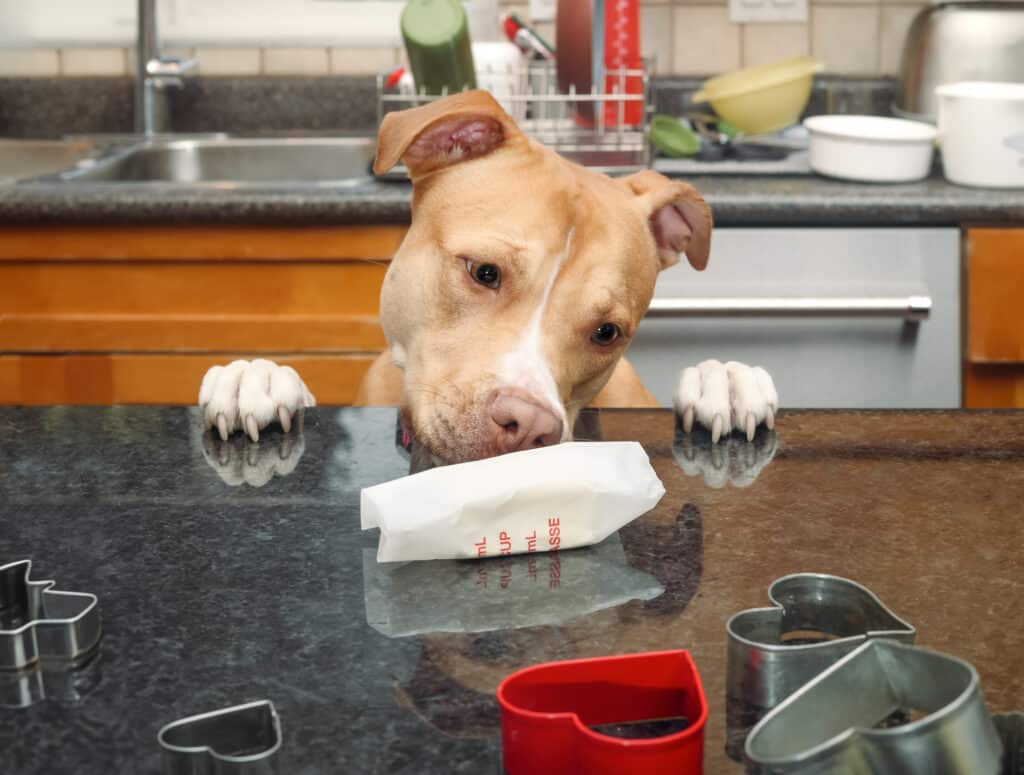
If your pet ingests something they shouldn’t, poisoning can occur. However, there are steps owners can take to respond if they suspect pet poisoning. Westwood Regional Veterinary Hospital and Pompton Lakes Animal Hospital provides routine and emergency medical care for pets in Westwood and Pompton Lakes, New Jersey. Here, our team discusses the types of foods and other items you should be aware of and what to do if your pet has ingested them.
What Is Pet Poisoning?
Pets’ stomachs are sensitive, and their digestive systems are more likely to disagree with new foods or ingredients than humans’ are. They can also succumb to poisoning if they eat something they shouldn’t, such as a toxic food, a foreign object, or another dangerous substance. Poisoning in dogs and cats can occur when they have ingested certain items, including:
- Raw or undercooked meat, chicken, or fish
- Rotten or moldy food items
- Dead or decaying animals
- Fecal matter
- Human medications or drugs, like THC
- Tobacco products
- Flowers or plants, like lilies
- Cleaning products
- Toys or other foreign bodies
Dogs, in particular, are well-known for eating table scraps and other items they aren’t supposed to. These indiscriminate eating habits can make them more likely to get poisoned by eating something toxic. However, cats can also get into household plants and flowers, like lilies, which are highly toxic to them.
What Are Some Pet Poisoning Symptoms to Look out for?
Poisoning can lead to vomiting and diarrhea as the animal’s body attempts to rid itself of what it doesn’t agree with. These are sure signs that something is wrong with your pet’s digestive system, so they shouldn’t be ignored. However, animals often vomit once or twice to rid their bodies of whatever’s causing the issue, so it may not be clear if it’s poisoning right away.
While the symptoms of poisoning in pets may vary based on the severity and what was ingested, some things you might notice aside from vomiting and diarrhea include:
- Nausea
- Dizziness or lack of coordination
- Accidental urination
- Excessive salivation or drooling
- Panting (in dogs)
- Hyperactivity
- Abdominal pain or cramping
- Lethargy
- Fever
- Loss of appetite
Cats may also experience inflammation of the eye, swollen lymph nodes, and even miscarriages or infertility. Severe cases in dogs can result in heart palpitations, seizures, and tremors. If left unaddressed, your pet could be in a life-threatening situation.
What Should Pet Owners Do If They Suspect Pet Poisoning?
If you recognize any of the above symptoms, prompt action should be taken just to be safe. The steps you can take include:
- Make sure to remove your pet from the source of the poison
- Call your veterinary office or an emergency clinic right away
- Collect any evidence of the poison or toxic substance, such as the container or packaging
- Call Animal Poison Control for any additional guidance
- Do not induce vomiting unless instructed by a veterinarian or poison control expert
You may need to take your pet to the nearest emergency vet clinic, especially if they are displaying multiple symptoms or have ingested a large amount of a poisonous substance. Quick action can help save your pet’s life.
How Can Veterinarians Help?
Once you’ve brought your animal in to the veterinarian, the team will look them over, ask you questions about what they’ve eaten, and review their medical history. They may ask to see the packaging or about how much the animal ingested. If they suspect poisoning, they’ll order blood work, X-rays, and other tests to confirm their diagnosis.
If poisoning is determined to be the problem, there are several treatment options they may pursue. An IV may be put in place to help prevent dehydration, as the animal’s stomach may not be able to keep water down. If the animal appears to be in pain, medications may be offered to help relieve it, and anti-nausea medication may be prescribed to help prevent additional vomiting. If bacteria like E. coli are the root cause, veterinarians may consider treating them with antibiotics. If the animal has eaten a bone, corn cob, toy, or other foreign body, they may require emergency surgery to prevent blockages in their digestive tracts.
In most cases, your pet should fully recover with no major changes needed for their lifestyle. Mild cases where only a small amount of poison was ingested often clear up without issue. However, severe cases can result in a lengthy road to recovery or even a fatal outcome.
What Should Pet Owners Remember?
The best way to prevent poisoning is to make sure your pets are only eating the food they should. Because you can’t be with them 24/7, this means ensuring that potentially harmful items are safely stored away and garbage and compost are out of their reach. It also means pet parents should be careful with the foods they share with their pets. You may also need to avoid buying certain types of plants or flowers that are toxic to animals.
Pet owners should also take note of unusual behaviors and not ignore signs of distress. While occasional vomiting may be normal for dogs or cats, it could also be a sign of a serious condition, such as pancreatitis. Therefore, it is wise to seek advice from your trusted veterinary team. Lastly, if your pet is currently recovering from food poisoning, you’ll want to keep them away from children and other pets, as they still could expose them to traces of bacteria.
Schedule an Appointment with Us Today
Pet poisoning should always be taken seriously. Because it shares many similarities with other illnesses and health problems, pet owners should turn to an experienced team for help. At Westwood Regional Veterinary Hospital and Pompton Lakes Animal Hospital, we are dedicated to offering compassionate care and services.
Located in Westwood and Pompton Lakes, New Jersey, and serving the Tri-State area, we have innovative equipment at our disposal to help make quick, accurate diagnoses and formulate personalized treatment plans. Contact us today to make an appointment.