

Small Intestinal
Malabsorption
Small Intestinal Malabsorption Treatment Near You in the Tri-State Area
Small intestinal malabsorption is a disorder that prevents your dog from getting the nutrients it needs from food. It can cause poor health, weight loss, deficiencies, and other complications. If your dog is losing weight despite eating well, contact Westwood Regional Veterinary Hospital and Pompton Lakes Animal Hospital. We provide gastrointestinal care for small intestinal malabsorption in dogs near you in Westwood and Pompton Lakes, New Jersey, offering tailored treatment plans.
What Is Small Intestinal Malabsorption in Dogs?
Small intestinal malabsorption is a condition that prevents the small intestine from functioning correctly. The main function of the small intestine is to absorb nutrients from the food your dog eats. These nutrients are then delivered and distributed to the rest of the body.
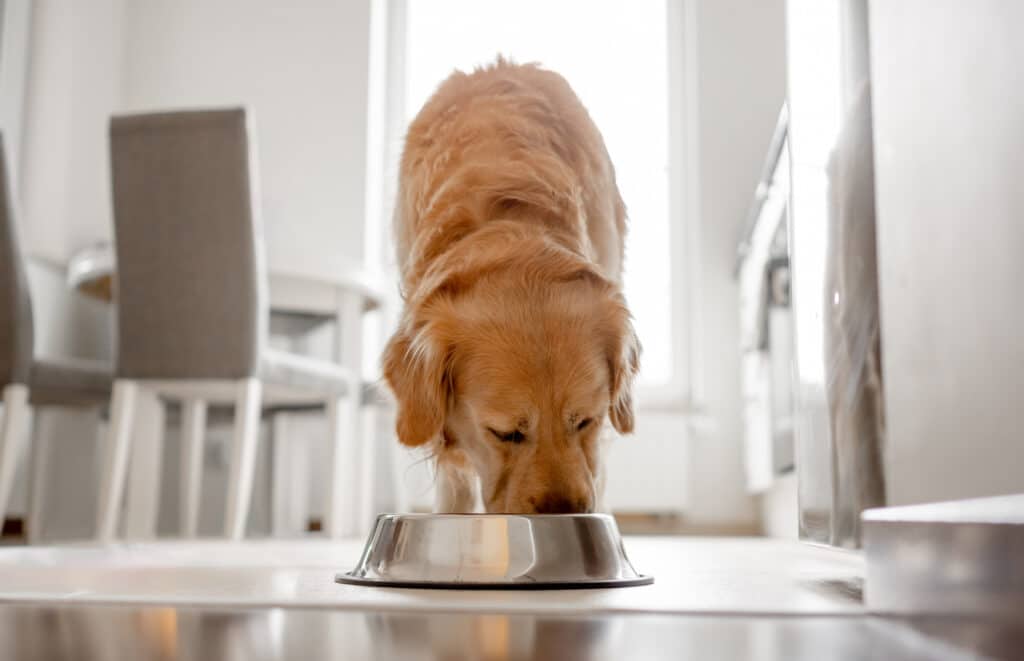
When something goes wrong with the small intestine, either the absorption or the delivery of nutrients can be inhibited. This prevents your dog from getting any nutrition from the food it eats. While your dog may appear to be eating normally or even overeating, it isn’t getting any benefit from it. Over time, the lack of nutrients can cause complications, such as vitamin deficiencies, rapid weight loss, muscle wasting, a dry coat, and other issues.
What Are the Symptoms of Small Intestinal Malabsorption?
Depending on your dog’s age, its breed, and what is causing the malabsorption, its symptoms can vary considerably. Some common signs of malabsorption include:
- Eating unusual things, including trash
- Having an increased or insatiable appetite
- Losing weight despite a strong appetite
- Having large, frequent, and smelly stools
- Rumbling or gurgling stomach
- Experiencing frequent flatulence (gas)
- Having chronic diarrhea
- Vomiting
- Showing a lack of energy
Over time, signs of nutrient deficiency will appear. The following symptoms suggest that your dog is not receiving adequate nutrition:
- Muscle wasting
- Poor coat condition
- Frequent sickness
- Easy bruising
- Dry skin and open sores
- Irritability, apathy, or depression
- Lack of energy
- Bleeding gums and nose
- Red or sore tongue
If your pet is showing signs of nutrient deficiency, contact your veterinarian as soon as possible. We can provide emergency care, including IV fluids and nutritional support, to help prevent the serious complications that can come from severe or prolonged deficiencies.
What Are the Causes of Small Intestinal Malabsorption?
Small intestinal malabsorption has no single cause. Instead, it can arise from nearly any condition that impacts the small intestine. Some common culprits include:
- Inflammatory bowel disease: Also called IBD, this refers to a family of chronic conditions that causes your dog’s immune system to attack the intestines.
- Bacterial overgrowth: The small intestines house a colony of helpful bacteria that assist with digestion. If the colony becomes unbalanced, digestion may suffer.
- Obstruction or blockages: Tumors, cancer, and other growths can affect how food moves through the small intestines, causing malabsorption.
- Shortened bowel syndrome: If a large portion of your dog’s intestine has been removed due to prior issues, then the remaining intestine may no longer function normally.
- Intestinal infections: A viral, bacterial, or fungal infection may proliferate inside the small intestine, causing irritation and swelling that interferes with absorption.
- Intestinal parasites: Parasites, such as roundworms, hookworms, and tapeworms, steal nutrients, causing symptoms similar to malabsorption.
- Food sensitivities: Your dog may be sensitive to certain foods or ingredients, causing a reaction that prevents nutrients from being absorbed correctly.
To treat intestinal malabsorption effectively, veterinarians must first diagnose the cause. This information helps them design a personalized treatment plan to meet your dog’s unique needs.
What Are the Treatments for Small Intestinal Malabsorption?
Treatments for small intestinal malabsorption depend on its cause. Westwood Regional Veterinary Hospital and Pompton Lakes Animal Hospital deliver tailored treatments to manage this condition effectively, keeping your pet as healthy as possible. Some options may include:
- Dietary management: Shortened bowel syndrome, food sensitivities, and IBD can be managed by changing your dog’s diet to more easily digested foods.
- Antibiotics: Bacterial infections or overgrowth can be treated with a broad-spectrum antibiotic, which kills the excess bacteria to restore a more balanced gut biome.
- Supplements: Vitamin supplements can counteract deficiencies, ensuring that your dog receives the nutrients it needs to thrive when eating is insufficient.
- Chemotherapy: If malabsorption is caused by a tumor or cancer, then chemotherapy may be necessary to kill the tumor and restore good health.
Most treatment plans use a combination of strategies for the best results. Because most causes of small intestinal malabsorption are chronic, the treatment is typically lifelong. We offer food and medicine orders to keep special supplies accessible to pet owners who need them.
Get Treatment for Pet Gastrointestinal Conditions Near You in the Tri-State Area
While small intestinal malabsorption in dogs can cause lifelong challenges, its effects are manageable with the right veterinary support. Westwood Regional Veterinary Hospital and Pompton Lakes Animal Hospital offers state-of-the-art treatments and management for a variety of gastrointestinal diseases, including small intestine malabsorption, near you in the Tri-State area. Contact us today to learn more about our services or to schedule an appointment.