

Colitis
Animal Colitis Care Near You in Westwood and Pompton Lakes, NJ
Digestive discomfort can affect your pet’s health and happiness just as it would your own. When your dog or cat experiences chronic diarrhea, straining, or blood in the stool, it may be a sign of animal colitis. This is an inflammation of the large intestine that requires prompt veterinary attention.
At Westwood Regional Veterinary Hospital and Pompton Lakes Animal Hospital, we provide advanced diagnostic and treatment options for animal colitis near you in Westwood and Pompton Lakes, New Jersey. Learn more about our individualized approach to managing colitis and other gastrointestinal issues in pets.
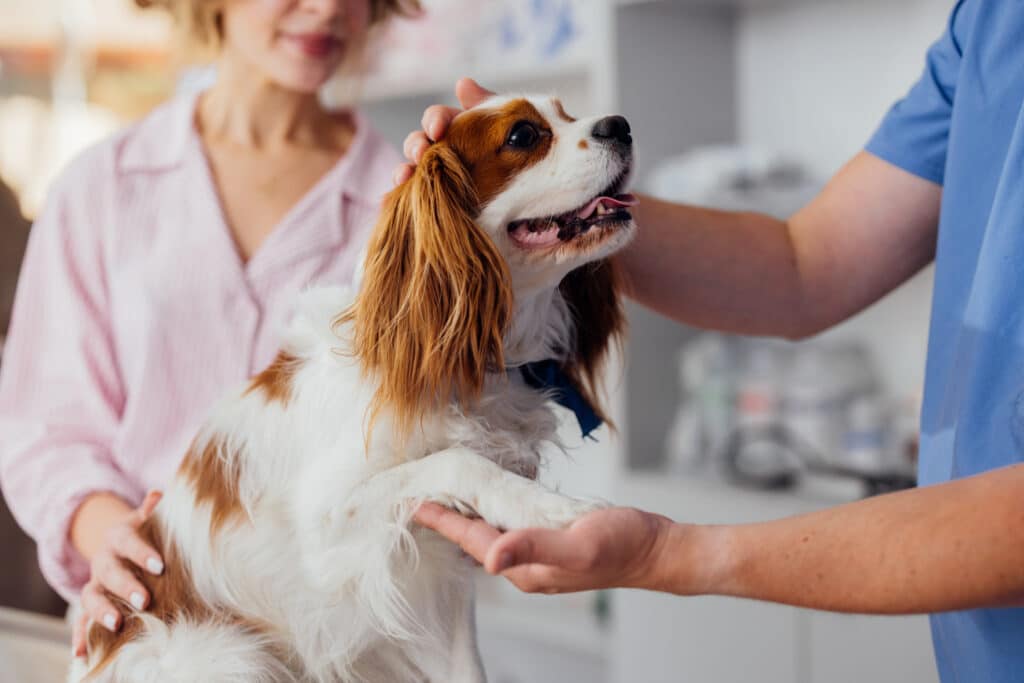
What Is Animal Colitis?
Colitis refers to inflammation of the colon or large intestine. It can occur suddenly (acute colitis) or develop gradually over time (chronic colitis). Both dogs and cats can suffer from the condition, though the causes, symptoms, and treatments can vary.
The most common causes include:
- Ingestion of something spoiled or inappropriate
- Sudden diet changes or food sensitivities
- Bacterial or parasitic infections
- Stress or anxiety
- Inflammatory bowel disease (IBD)
- Allergic reactions
- Underlying systemic illness
Because the causes are so diverse, a careful evaluation of your pet by a trusted veterinarian is essential for effective treatment.
What Are the Signs of Colitis in Dogs and Cats?
Colitis may cause similar symptoms in both species, but they may present differently. In dogs, owners might notice the following symptoms:
- Frequent, small bowel movements
- Straining or urgency to defecate
- Mucus or blood in the stool
- Abdominal discomfort or restlessness
- Occasional vomiting or loss of appetite
In cats, you may notice the following:
- Straining in the litter box
- Passing small amounts of soft stool or diarrhea
- Increased frequency of bowel movements
- Lethargy and decreased grooming
- Hiding or changes in social behavior
If your pet is showing any of these signs, it’s important to schedule an exam as soon as possible. Early diagnosis helps prevent dehydration, weight loss, and other complications associated with chronic digestive inflammation.
How Is Colitis in Pets Diagnosed?
At Westwood Regional Veterinary Hospital and Pompton Lakes Animal Hospital, we begin with a comprehensive physical exam and a thorough discussion of your pet’s history, diet, and recent activity. From there, our veterinarians may recommend diagnostic tests, such as:
- Fecal testing
- Bloodwork
- X-rays
- Ultrasounds
- Endoscopies
These advanced diagnostic tools allow us to determine the exact cause of your pet’s symptoms. With these tests, we can detect parasites or bacterial infections, assess your pet’s overall health, visualize the intestines, and perform biopsies in chronic cases. With the results, our compassionate team can create a unique treatment plan tailored to your pet’s needs.
What Are the Treatments for Animal Colitis?
Because colitis has multiple potential causes, treatment is always individualized. Our veterinary team focuses on addressing both immediate symptoms and the underlying triggers.
Dietary Management
In many cases, colitis is related to diet. The veterinarian may recommend the following:
- A highly digestible prescription diet to reduce irritation
- Novel protein or hydrolyzed diets for food allergies or sensitivities
- Increased fiber intake to support colon health
We’ll guide you in making gradual dietary transitions to ensure your pet’s digestive system adapts comfortably.
Medications and Supplements
Depending on the cause, we may give your pet the following supplements:
- Antibiotics or antiparasitic medications to treat infections
- Anti-inflammatory or immune-modulating drugs for IBD-related colitis
- Probiotics and prebiotics to restore a healthy gut
- Stress-reducing therapies if anxiety contributes to flare-ups
All medications are carefully prescribed to ensure they match your pet’s species, age, and medical history.
Supportive Care
In severe cases, your pet may require fluid therapy for dehydration or short-term hospitalization for observation. Our veterinary hospital is fully equipped with modern diagnostic and state-of-the-art treatment rooms to ensure your pet receives the attentive, round-the-clock care they deserve.
What Are Some Tips for Managing Chronic Colitis?
While some cases of colitis resolve quickly, others can become chronic. We may recommend ongoing management, including periodic checkups, diet adjustments, or medication monitoring. Our veterinarians work closely with you to track your pet’s progress, identify triggers, and ensure your pet maintains their long-term digestive health.
Chronic colitis can often be managed successfully with a consistent routine and proactive veterinary care. Our goal is to always help your pet return to a comfortable, active life.
Schedule an Appointment for Pet Colitis Care
If your dog or cat is showing signs of digestive distress, don’t wait. Animal colitis can worsen quickly without treatment, but with professional care, most pets recover well and enjoy long-lasting comfort. At Westwood Regional Veterinary Hospital and Pompton Lakes Animal Hospital, we combine modern medicine with compassionate, personalized care.
Pet owners across Westwood, Pompton Lakes, and the Tri-State area of New Jersey trust us because we believe that every pet deserves exceptional medical attention, and every owner deserves peace of mind knowing their companion is in expert hands. Contact us today to learn more or schedule a fee-free emergency appointment.
Service Available At:
Westwood
- 346 Kinderkamack Rd.
Westwood, NJ 07675 - 201-885-5040
- Monday to Sunday: 9 AM to 10 PM
Pompton
- 9 Cannonball Rd. Pompton Lakes, NJ 07442
- 973-835-4774
-
Mon, Tues, Thurs, Fri: 11 AM – 8 PM
Wed, Sat: 10 AM – 3 PMSunday: Closed